
|
Fucked a chick with weird asshole
Hey Bros...
Anyone has this experience? My mind just telling me she has too much anal before? :confused: 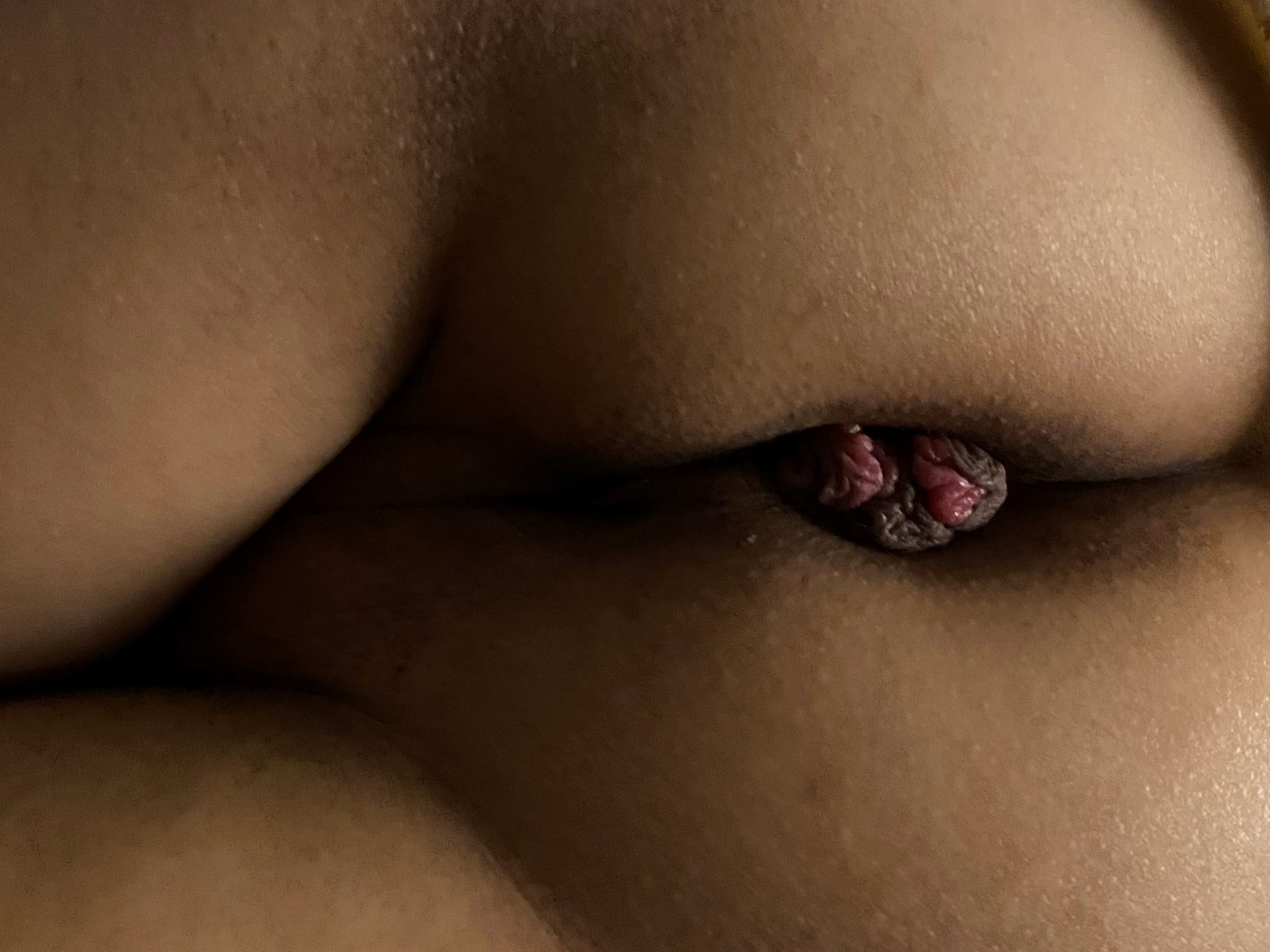 |
Re: Fucked a chick with weird asshole
|
Re: Fucked a chick with weird asshole
Aw dude that is NASTY!
Did you continue fucking her when you saw what was hanging out of her ass? |
Re: Fucked a chick with weird asshole
Give her a tin of Zambak.
It works wonders for when mine flares up |
Re: Fucked a chick with weird asshole
Did u lick it? :)
|
Re: Fucked a chick with weird asshole
I just stayed away from that shit.... :rolleyes:
|
Re: Fucked a chick with weird asshole
you also like it isn't it? as a new experience lol
|
Re: Fucked a chick with weird asshole
Thanks for sharing. Looks scary
|
Re: Fucked a chick with weird asshole
Google IMAGES for rectal prolapse and you will get your answer.
What is rectal prolapse? Rectal prolapse occurs when part or all of the wall of the rectum slides out of place, sometimes sticking out of the anus. See a picture of rectal prolapse. There are three types of rectal prolapse. Partial prolapse (also called mucosal prolapse). The lining (mucous membrane) of the rectum slides out of place and usually sticks out of the anus. This can happen when you strain to have a bowel movement. Partial prolapse is most common in children younger than 2 years. Complete prolapse. The entire wall of the rectum slides out of place and usually sticks out of the anus. At first, this may occur only during bowel movements. Eventually, it may occur when you stand or walk. And in some cases, the prolapsed tissue may remain outside your body all the time. Internal prolapse (intussusception). One part of the wall of the large intestine (colon) or rectum may slide into or over another part, like the folding parts of a toy telescope. The rectum does not stick out of the anus. (See a picture of intussusception.) Intussusception is most common in children and rarely affects adults. In children, the cause is usually not known. In adults, it is usually related to another intestinal problem, such as a growth of tissue in the wall of the intestines (such as a polyp or tumour). In severe cases of rectal prolapse, a section of the large intestine drops from its normal position as the tissues that hold it in place stretch. Typically there is a sharp bend where the rectum begins. With rectal prolapse, this bend and other curves in the rectum may straighten, making it difficult to keep stool from leaking out (fecal incontinence). Rectal prolapse is most common in children and older adults, especially women. What causes rectal prolapse? Many things increase the chance of developing rectal prolapse. Risk factors for children include: Cystic fibrosis. A child who has rectal prolapse with no obvious cause may need to be tested for cystic fibrosis. Having had surgery on the anus as an infant. Malnutrition. Deformities or physical development problems. Straining during bowel movements. Infections. Risk factors for adults include: Straining during bowel movements because of constipation. Tissue damage caused by surgery or childbirth. Weakness of pelvic floor muscles that occurs naturally with age. What are the symptoms? The first symptoms of rectal prolapse may be: Leakage of stool from the anus (fecal incontinence). Leakage of mucus or blood from the anus (wet anus). Other symptoms of rectal prolapse include: A feeling of having full bowels and an urgent need to have a bowel movement. Passage of many very small stools. The feeling of not being able to empty the bowels completely. Anal pain, itching, irritation, and bleeding. Bright red tissue that sticks out of the anus. See a doctor if you or your child has symptoms of rectal prolapse. If it is not treated, you may have more problems. For example, the leaking stool could get worse, or the rectum could be damaged. How is rectal prolapse diagnosed? Your doctor will diagnose rectal prolapse by asking you questions about your symptoms and past medical problems and surgeries. He or she will also do a physical examination, which includes checking the rectum for loose tissue and to find out how strongly the anal sphincter contracts. You may need tests to rule out other conditions. For example, you may need a sigmoidoscopy, a colonoscopy, or a barium enema to look for tumours, sores (ulcers), or abnormally narrow areas in the large intestine. Or a child may need a sweat test to check for cystic fibrosis if prolapse has occurred more than once or the cause is not clear. How is it treated? Prolapse in children tends to go away on its own. You can help keep the prolapse from coming back. If you can, push the prolapse into place as soon as it occurs. You can also have your child use a potty-training toilet so that he or she does not strain while having a bowel movement. Sometimes children need treatment. For example, if the prolapse doesn't go away on its own, an injection of medicine into the rectum may help. If the prolapse was caused by another condition, the child may need treatment for that condition. Home treatment for adults may help treat the prolapse and may be tried before other types of treatments. If your doctor says it's okay, you can push the prolapse into place. Avoid constipation. Drink plenty of water, and eat fruits, vegetables, and other foods that contain fibre. Changes in diet often are enough to improve or reverse a prolapse of the lining of the rectum (partial prolapse). Do Kegel exercises to help strengthen the muscles of the pelvic area. Don't strain while having a bowel movement. Use a stool softener if you need to. People who have a complete prolapse or who have a partial prolapse that doesn't improve with a change in diet will need surgery. Surgery involves attaching the rectum to the muscles of the pelvic floor or the lower end of the spine (sacrum). Or surgery might involve removing a section of the large intestine that is no longer supported by the surrounding tissue. Both procedures may be done in the same surgery. 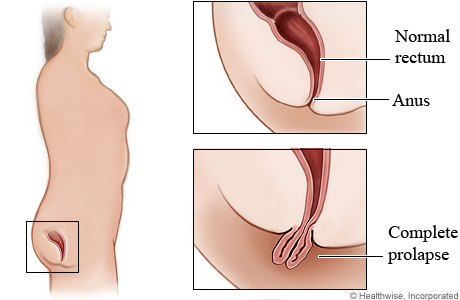 |
Re: Fucked a chick with weird asshole
Witness this in quite a few places when I fuck
|
Re: Fucked a chick with weird asshole
Sad to see. Literal pain in the ass. Surgery sucks bigtime too. Make sure u eat her out well n good!
|
| All times are GMT +8. The time now is 03:09 PM. |
Powered by vBulletin® Custom
Copyright ©2000 - 2026, vBulletin Solutions Inc.
User Alert System provided by
Advanced User Tagging (Pro) -
vBulletin Mods & Addons Copyright © 2026 DragonByte Technologies Ltd.
Copywrong © Samuel Leong 2006 ~ 2026