
|
 15-06-2026, 09:07 AM |
||||
|
||||
|
Re: Screwing maids
Quote:

__________________
-We only live once, Let's live to Max each day like this is our last- 


|
|
15-06-2026, 01:58 PM
|
|||
|
|||
|
Re: Screwing maids
Quote:
|
|
15-06-2026, 06:54 PM
|
|||
|
|||
|
Re: Screwing maids
Quote:

__________________
人帅抱紧,人丑报警 人帅真好,人丑性骚扰 FOC is the most expensive if it's too good to be true, it usually is round2: simplyunperfect, WOOHOO, WankJanice, titan
|
|
16-06-2026, 12:57 AM
|
||||
|
||||
|
Re: Screwing maids
Quote:
__________________
往日情深何处去,如今只能空回忆,早知今日会分离,情愿当初不认妳...
Va duong nhu anh hieu ra mot dieu Em da khac xua nhieu lam Va duong nhu anh hieu ra mot dieu Em da het yeu anh phai khong Vay thi anh se buoc ra di Tra lai em nhu ngay anh chua den Va khi em ra di em se nhan ra Khong ai yeu em nhu anh da tung yeu!
|
|
16-06-2026, 02:02 AM
|
|||
|
|||
|
Quote:
But nothing dick Sorry to the gal suffering that
|
|
16-06-2026, 12:18 PM
|
||||
|
||||
|
Re: Screwing maids
Found some really old stuff in my drawer when doing spring cleaning..... from way back in 1999 when I was just getting started on all this sordid stuff.
__________________
Tips for ALL samsters.
|
|
16-06-2026, 12:24 PM
|
||||
|
||||
|
Re: Screwing maids
This is how they used to arrive back from the minilab.
Good old hard copies that stand the test of time.
__________________
Tips for ALL samsters.
|
|
16-06-2026, 12:57 PM
|
||||
|
||||
|
Re: Screwing maids
https://www.headcountcoffee.com/blog...to-disappeared
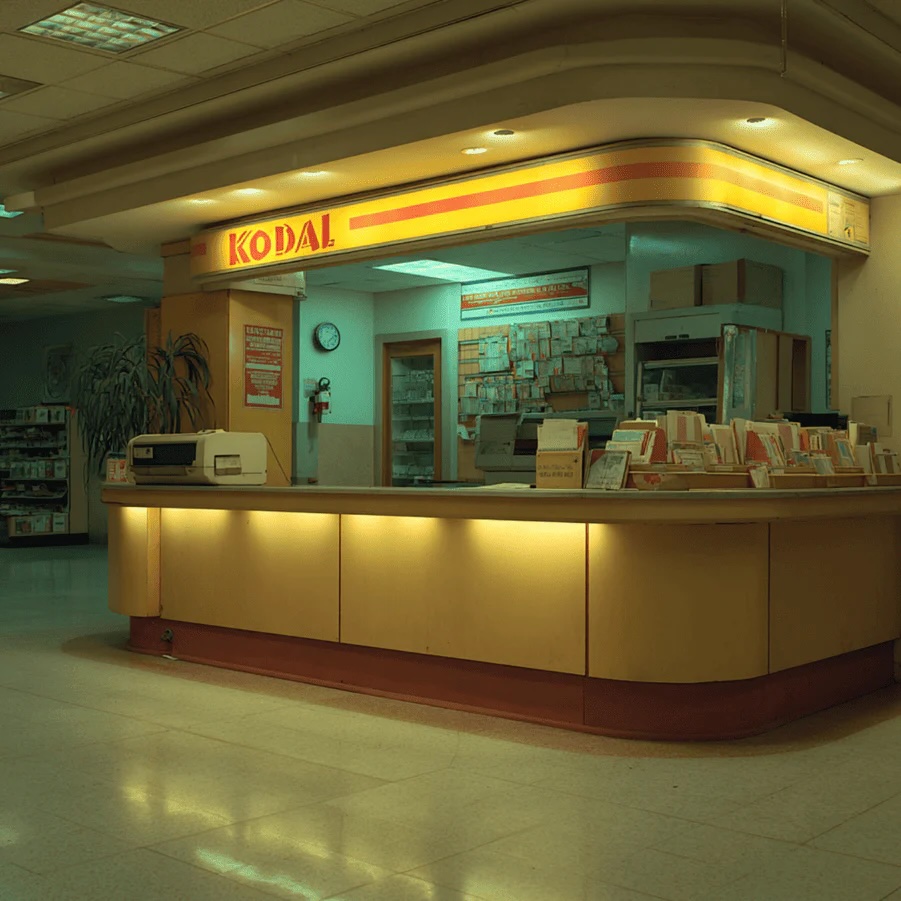 When One-Hour Photo Disappeared Headcount Coffee 6–7 minutes For a generation of Americans, photographs did not live in phones or clouds. They lived in envelopes. You dropped film at the counter, ran errands, and came back an hour later to see what your life looked like on paper. Kodak’s one hour photo labs turned waiting into certainty, and for a brief period, they made memory feel fast. The model was born from dominance. By the 1970s and 1980s, Kodak controlled much of the global film market, from rolls of 35mm to the chemicals that developed them. The company understood something essential about photography. Taking the picture was only half the experience. Seeing it mattered just as much. One hour labs collapsed the emotional gap between moment and memory. Malls and strip centers became the perfect host. Compact labs could be slotted beside grocery stores and department anchors. Machines hummed behind glass walls. Customers watched their negatives snake through processors, trusting that technicians and chemistry would deliver something tangible. The promise was speed without sacrifice. For families, the labs fit neatly into daily life. Birthday parties, vacations, school events, weddings. Film rolls piled up in glove compartments and kitchen drawers until errands made development convenient. Photography was deliberate. You chose moments carefully because each frame cost money. The one hour lab rewarded that restraint with anticipation. At its peak, the system scaled nationwide. Kodak partnered with retailers, trained technicians, standardized processes, and flooded the market with branded labs. The yellow logo became synonymous with memory itself. Few questioned the permanence of the model. Film was photography, and Kodak was film. The decline began before most customers noticed. Digital cameras entered quietly in the 1990s, clumsy at first, expensive, and inferior in quality. Kodak itself helped invent the technology, but the company treated it as a threat to manage rather than a future to lead. Film sales still paid the bills. One hour labs still printed lines of envelopes. As digital quality improved, the logic of waiting collapsed. Photos could be seen instantly. Mistakes were deleted. Quantity replaced scarcity. The emotional payoff moved from anticipation to immediacy. By the early 2000s, memory no longer required chemistry. Retail followed behavior. Photo counters shrank. Labs closed quietly. Machines were powered down. The economics no longer worked. Digital prints were cheaper but less frequent. Home printers and online uploads reduced foot traffic. What remained of the one hour promise became symbolic rather than essential. The final blow was structural. Smartphones erased the last reason to visit a lab at all. Photography became ambient, constant, and disposable. Images lived everywhere and nowhere. The act of collecting them slowed to a stop. Kodak’s one hour labs did not fail because people stopped caring about photos. They failed because the relationship between time and memory changed. Waiting became unnecessary. Tangibility became optional. Today, the labs survive mostly as nostalgia, referenced in movies, remembered in shoeboxes of prints, recalled by the smell of chemicals and the sound of envelopes sliding across counters. They represented a moment when technology accelerated just enough to feel magical, but not enough to disappear entirely. The fall of Kodak’s one hour photo labs marked the end of photography as a shared physical ritual. What replaced it is faster, easier, and infinite. What it lost was weight.
__________________
Tips for ALL samsters.
|
|
16-06-2026, 01:16 PM
|
||||
|
||||
|
Re: Screwing maids
Quote:
__________________
Don't ask me for contacts. I only share and read FRs. I'm not into sharing contacts. Current exchange as of 630PMSGT 25/05/25: . . . . .Will exchange back ASAP 
|
|
16-06-2026, 01:25 PM
|
||||
|
||||
|
Re: Screwing maids
Quote:
In the old days they saw hard copies. Nowadays images are viewed on a screen. The content is still the same the only difference is the medium of delivery.
__________________
Tips for ALL samsters.
|
|
16-06-2026, 01:26 PM
|
||||
|
||||
|
Re: Screwing maids
...............
__________________
Tips for ALL samsters.
|
|
16-06-2026, 04:35 PM
|
|||
|
|||
|
Re: Screwing maids
Quote:

__________________
-U up me, I will up you. If I forget to up u, Do Pm me - Loy Mak MakMin 7 pts for exchanged.
|
|
16-06-2026, 04:40 PM
|
||||
|
||||
|
Re: Screwing maids
Quote:
__________________
Tips for ALL samsters.
|
|
16-06-2026, 04:42 PM
|
||||
|
||||
|
Re: Screwing maids
..............
__________________
Tips for ALL samsters.
|
|
16-06-2026, 11:20 PM
|
||||
|
||||
 Re: Screwing maids  Too hot. Shower time. Hehehe!
|
| Advert Space Available |
 
Fantastic Videos and Images contributed by horny, exhibitionist members of SBF
Sign up for Premium Membership NOW to view all the juicy details. |
 |
| Bookmarks |
| Tags |
| @maid, balestier, meii, raw |
|
|


